
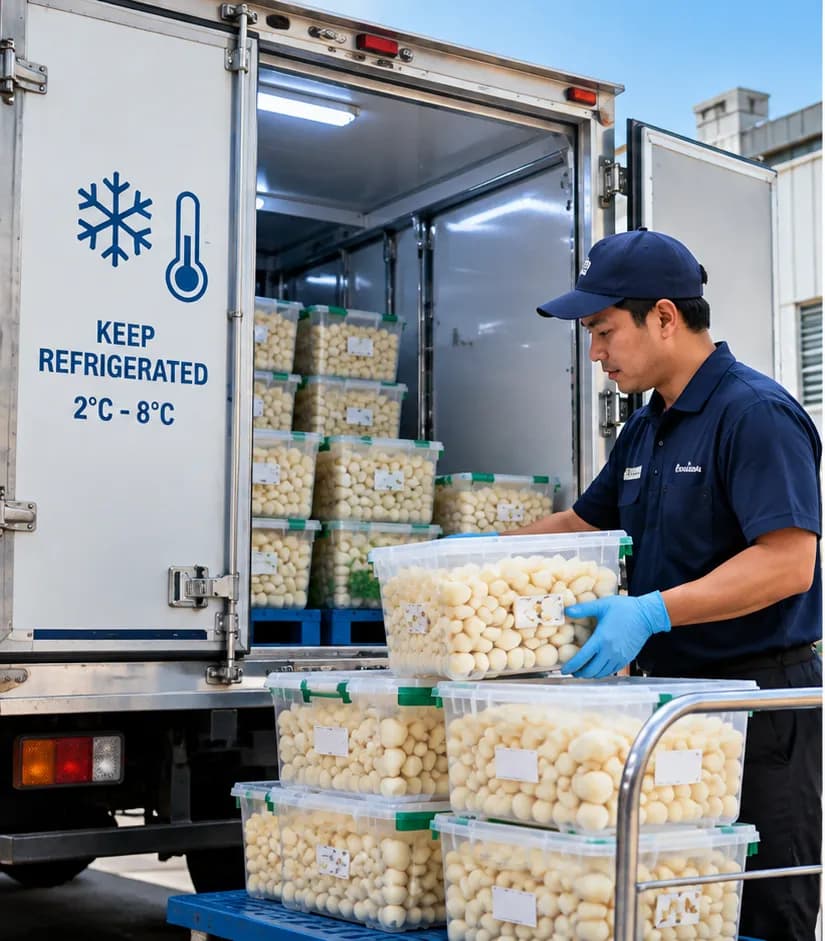
Why Cold Chain Management Matters for Fresh Peeled Garlic Delivery
Fresh peeled garlic is perishable, so temperature control from processing to delivery is essential. Learn how cold chain management supports freshness, reduces waste, and underpins food safety for commercial kitchens.
Fresh peeled garlic is a convenient ingredient for restaurants, catering businesses, and commercial food manufacturers.
However, convenience is only one part of the supply process. Maintaining product quality from processing to delivery is equally important.
Because fresh peeled garlic is perishable, suitable temperature management can play a significant role in preserving its condition during storage and transportation.
This is where cold chain management becomes important.
What Is Cold Chain Management?
Cold chain management refers to the controlled handling, storage, and transportation of temperature-sensitive products.
In the food industry, it helps maintain appropriate product temperatures throughout the distribution process.
For fresh refrigerated peeled garlic, the cold chain may involve temperature-controlled storage areas, refrigerated transportation, insulated handling equipment, and monitoring procedures.
The exact requirements depend on the product's processing method, packaging, and validated storage specifications.
Why Peeled Garlic Requires Careful Temperature Control
Whole garlic bulbs have protective outer layers that help shield the cloves during handling.
Once the skin is removed, peeled garlic becomes more exposed to environmental conditions.
Inappropriate temperature conditions can contribute to quality deterioration and may increase food safety risks.
Maintaining the specified storage temperature helps manage these risks.
However, refrigeration does not eliminate all microorganisms or make a contaminated product safe. Hygienic processing and correct handling remain essential.
1. Supporting Product Freshness
Temperature management can help slow some forms of deterioration in fresh peeled garlic.
When products are handled outside their recommended conditions, changes in texture, aroma, and appearance may occur more rapidly.
For restaurants, receiving garlic in suitable condition is important because ingredient quality can influence the final dish.
A well-managed distribution process helps reduce unnecessary exposure to unsuitable temperatures.
2. Reducing Spoilage and Product Waste
Spoiled ingredients create unnecessary costs for commercial kitchens.
If peeled garlic deteriorates before it can be used, restaurants may need to discard affected stock.
This can increase food costs and disrupt kitchen preparation.
Appropriate cold chain management, combined with proper stock rotation and inventory control, can help reduce avoidable waste.
Businesses should also monitor product dates and follow the supplier's handling instructions.
3. Supporting Food Safety Practices
Temperature control is an important part of food safety management for many perishable products.
However, it should be considered alongside other preventive measures, including:
- Hygienic processing
- Clean food-contact surfaces
- Appropriate packaging
- Employee hygiene
- Traceability procedures
- Correct receiving and storage practices
Fresh peeled garlic should be handled according to its product-specific food safety requirements.
Restaurants should not assume that refrigerated garlic can be stored indefinitely.
4. Improving Delivery and Receiving Procedures
Food businesses can support product quality by establishing clear receiving procedures.
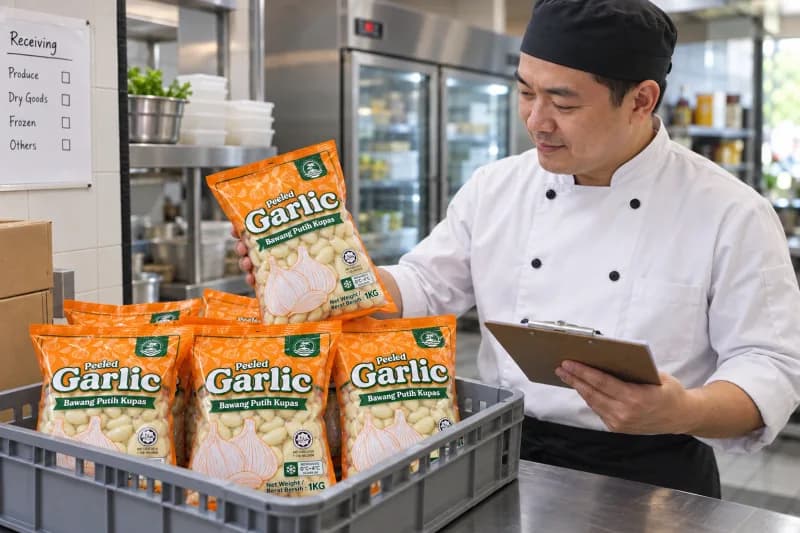
When peeled garlic arrives, receiving staff should check the packaging condition, product identification, relevant dates, and any required temperature information.
Products should then be transferred promptly to suitable storage.
If a delivery does not meet the agreed product specifications, the business should follow its receiving and rejection procedures.
These checks are especially useful for central kitchens and food manufacturers that receive larger quantities of ingredients.
5. Helping Commercial Kitchens Plan Inventory
Cold chain management works best when combined with practical inventory planning.
Restaurants should estimate their garlic consumption and avoid ordering quantities that cannot be used within the product's specified shelf life.
First-expired, first-out stock rotation can help ensure products approaching their expiry dates are used appropriately.
Regular inventory checks also make it easier to identify packaging damage or signs of deterioration.
What Should Businesses Ask Their Garlic Supplier?
Before purchasing refrigerated peeled garlic, commercial buyers can ask about the recommended storage conditions, packaging formats, delivery arrangements, product shelf life, and receiving requirements.
Understanding these details helps businesses prepare suitable storage and handling procedures.
Final Thoughts
Cold chain management is an important consideration when distributing fresh refrigerated peeled garlic.
Suitable temperature control, hygienic handling, and effective receiving procedures can support product quality and help businesses manage food safety risks.
For restaurants and commercial kitchens, understanding the delivery process is part of responsible ingredient management.
Need Peeled Garlic for Your Food Business?
Contact BLP Fresh Pack to discuss product specifications, storage requirements, and available delivery arrangements.
Contact Us TodayMore Articles
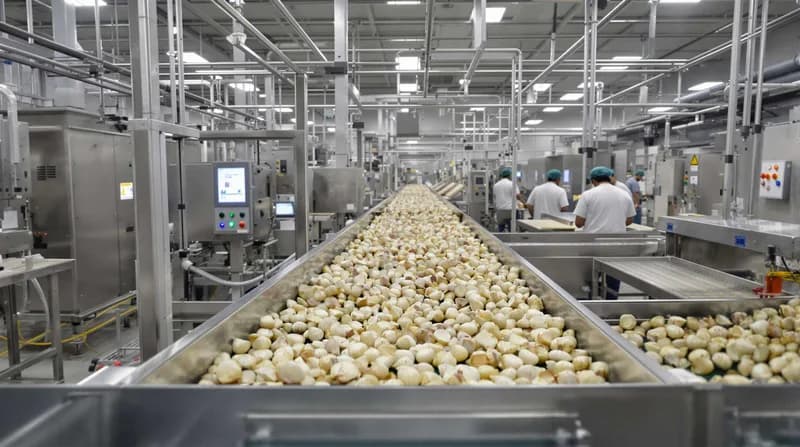
How Peeled Garlic Is Processed: From Fresh Bulbs to Ready-to-Use Cloves
November 2026 · 6 min read
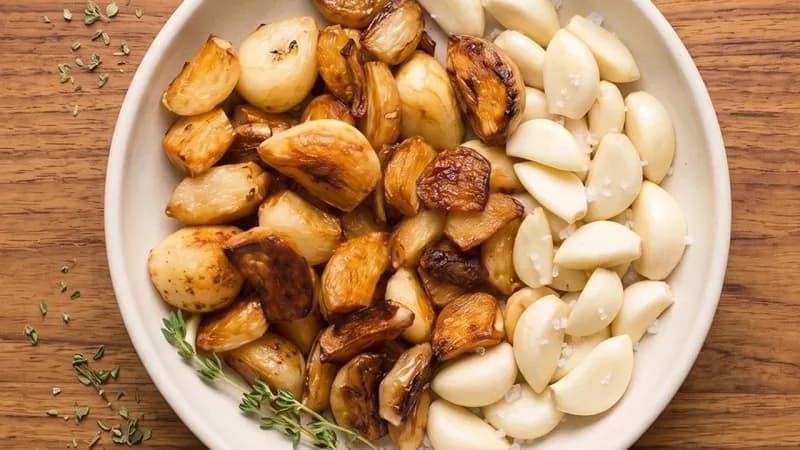
Roasted Garlic vs Raw Garlic: How Cooking Changes Flavour and Aroma
October 2026 · 5 min read
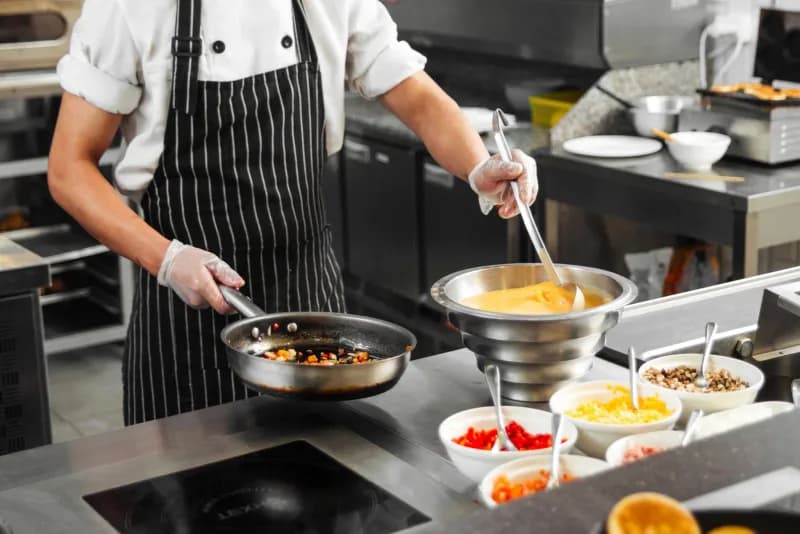
How Restaurants Can Maintain Consistent Garlic Flavour Across Every Dish
October 2026 · 6 min read
Buying Peeled Garlic in Bulk: What Restaurants Should Consider Before Ordering
September 2026 · 8 min read
How to Store Peeled Garlic to Keep It Fresh for Longer
September 2026 · 7 min read
Why Food Manufacturers Choose Fresh Peeled Garlic for Efficient Production
August 2026 · 9 min read
How Restaurants Can Reduce Labour Costs with Peeled Garlic
August 2026 · 8 min read
Fresh Peeled Garlic Supplier in Malaysia: Why Businesses Choose Quality and Convenience
July 2026 · 7 min read
Fresh Garlic vs Peeled Garlic: Which Is Better for Restaurants and Commercial Kitchens?
July 2026 · 6 min read
5 Ways Peeled Garlic Can Save Time in a Busy Kitchen
May 2026 · 4 min read
Simple Garlic Stir-Fry Recipe for Everyday Cooking
April 2026 · 3 min read
Why Food Businesses Should Use Ready-to-Use Peeled Garlic
March 2026 · 5 min read